
Initiative
eDrops — used cooking oil collection
eDrops tackles a quiet but widespread problem: what happens to used cooking oil at home? We collect and channel it safely — avoiding environmental harm and recovering value within a circular system.
- ✓Sealed, safe household storage
- ✓Scheduled pickups across the UK
- ✓Certified recovery partners
- ✓Circular value creation
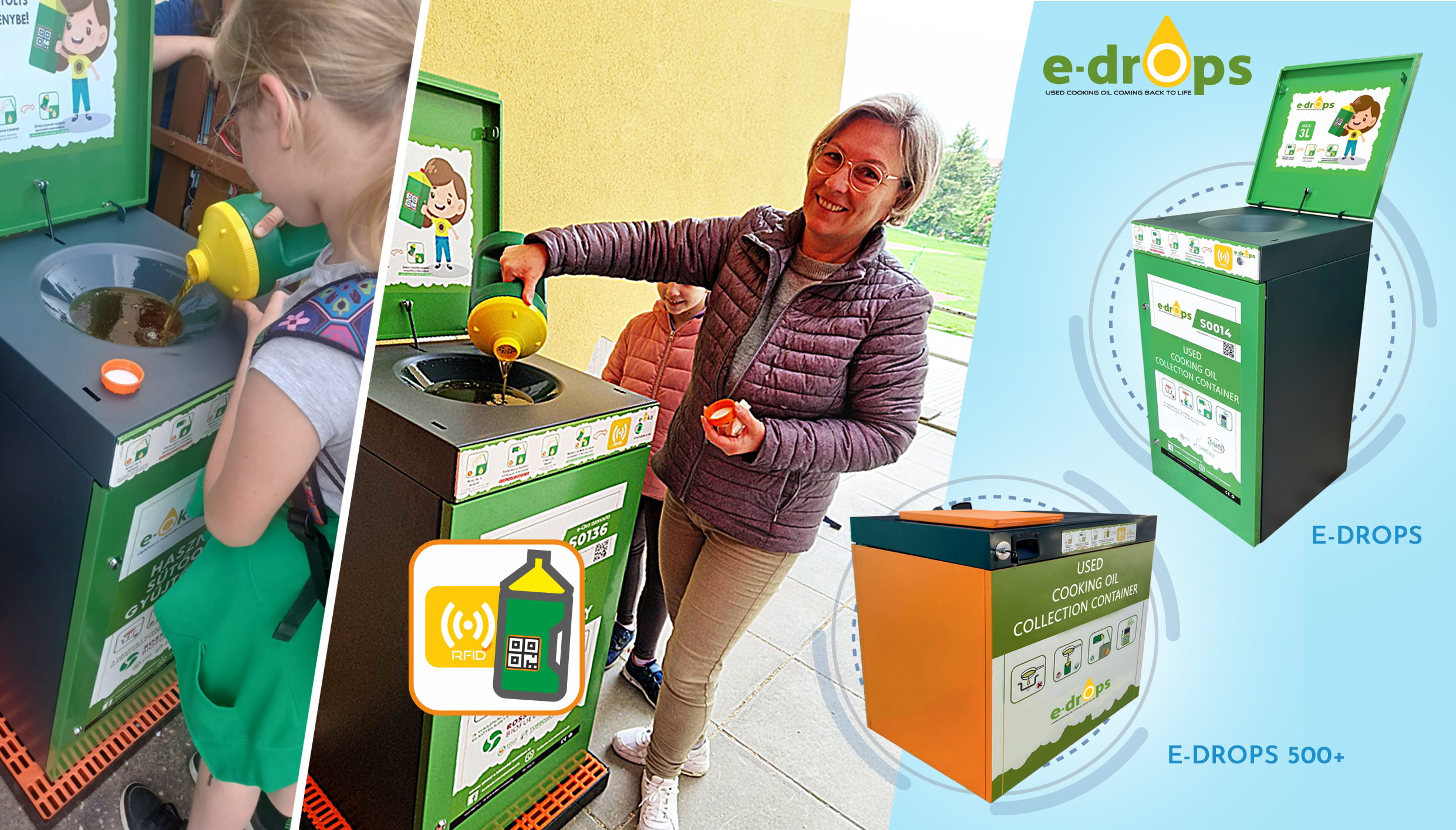
Process
How eDrops Works
Simple, safe collection from your home to certified recovery partners.

Impact
Why Proper Oil Collection Matters
Most UK homes generate several liters of used cooking oil annually.
The vast majority of household UCO goes to landfill or drains.
One liter of oil can contaminate up to 1 million liters of water.
eDrops turns a disposal problem into a circular resource, keeping oil out of drains and recovering value for biodiesel production.
Pilot
Request information or a pilot
Tell us about your household, community hub or council initiative. We'll confirm availability, suggested container setup, and rollout timing in your area.
Updates
Join the eDrops rollout
Be first to know when pickups and eco refills launch in your area.
FAQ
Common Questions About eDrops
How does the collection process work?
Register online, receive your sealed storage container, fill it with used cooking oil, then schedule a pickup via our website or app. Collections follow regular routes in your area—typically every 2–4 weeks.
Is there a cost for the eDrops service?
Pilot participants receive containers and collection free of charge. At full rollout, costs will vary by region and frequency. Councils or community hubs may sponsor collection, making it free for residents.
What size container will I receive?
Household containers are typically 5–10 liters, sealed with a spill-proof lid. Community hubs or multi-dwelling sites may receive larger 20–40 liter collection points. All containers meet safety and hygiene standards.
Can I pour any type of cooking oil into the container?
Yes—vegetable oil, sunflower oil, olive oil, rapeseed oil, and other plant-based cooking oils are all accepted. Do not pour in motor oil, diesel, or any non-food oils.
Is it safe to store used cooking oil at home?
Yes. Let the oil cool completely before pouring it into the container, keep the lid sealed to prevent odors, and store in a cool, dry place away from direct sunlight. The container is designed for safe, long-term storage.
What happens to the oil after collection?
Collected oil goes to certified recovery facilities where it's refined into biodiesel or used in industrial processes. Nothing goes to waste—100% of the UCO is recovered for productive reuse, supporting the circular economy.
Can I track my environmental impact?
Yes! The eDrops portal or app will show how much oil you've contributed, the equivalent CO₂ savings, and water contamination prevented. You'll see your cumulative impact over time.
How do I register for eDrops in my area?
Complete the pilot request form on this page or subscribe to our newsletter for updates on rollout. We'll notify you as soon as eDrops is available in your postcode area and provide registration instructions.